The Hidden Economic Impact of Cruise Ships on Port Cities
From passenger spending to local employment, discover how a single cruise ship arrival creates lasting economic value for destinations worldwide.
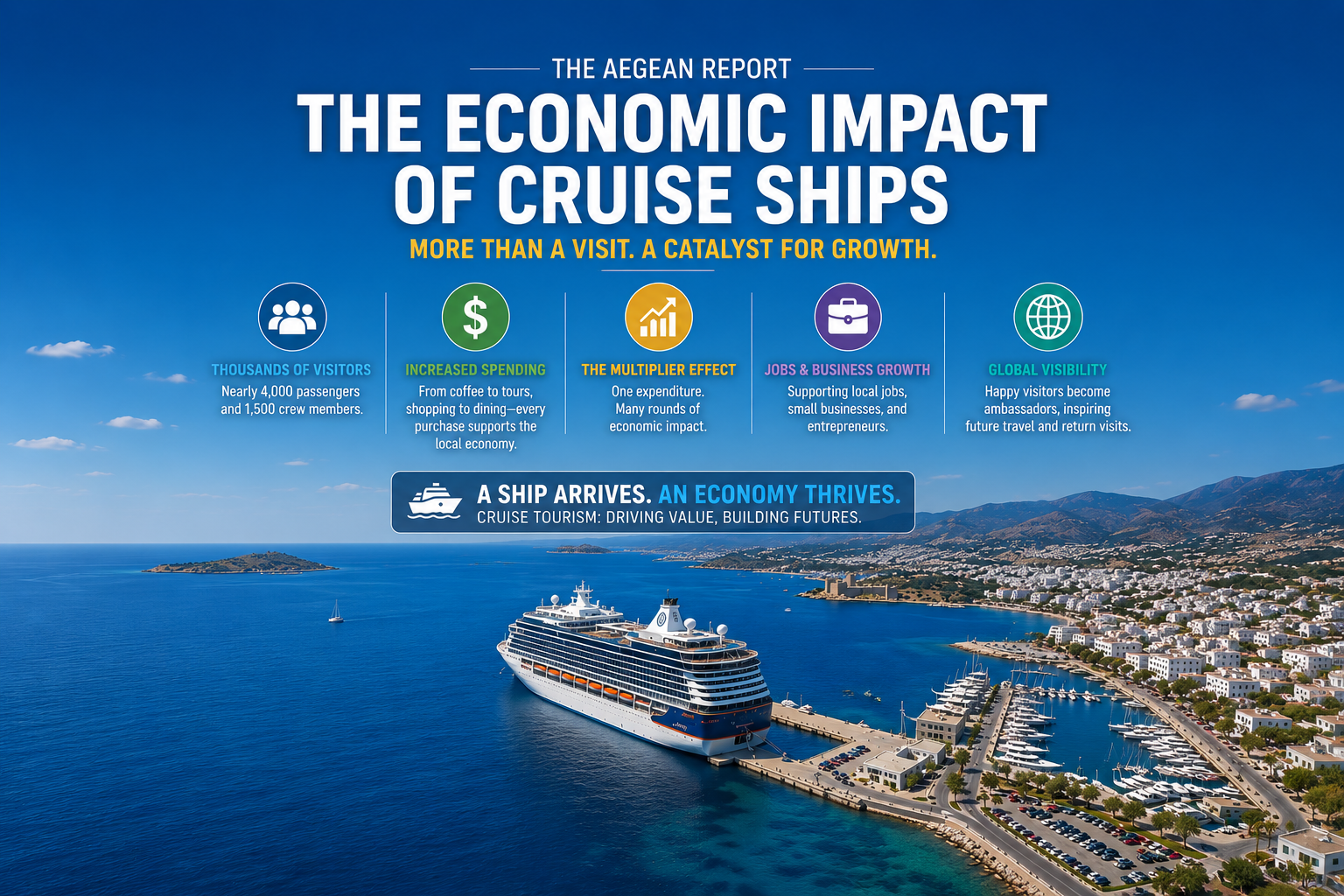
It's 8:00 AM.
A massive cruise ship appears on the horizon. On board are nearly 4,000 passengers and more than 1,500 crew members. To most people, it's simply another vessel arriving at port. But for the city waiting on shore, it represents something far greater: an influx of visitors, economic activity, and new opportunities.
As the ship slowly approaches the harbor, the first signs of movement begin. Pilots board the vessel, tugboats assist with maneuvering, and port personnel prepare for arrival. Long before passengers step ashore, dozens of professionals are already at work, ensuring a safe and efficient operation.
A few hours later, thousands of visitors spread throughout the city.
Some join guided tours to explore historical landmarks. Others stroll along the waterfront, enjoy local cuisine, or shop for souvenirs. What may seem like ordinary tourist activities are, in reality, the starting point of a much larger economic chain reaction.
Consider a passenger who spends €10 on a cup of coffee near the port. That money does not simply remain with the café owner. It helps pay employee wages, supports local suppliers, contributes to transportation services, and eventually generates tax revenue that benefits the wider community. Economists refer to this phenomenon as the multiplier effect—the process by which a single expenditure creates value throughout an entire economy.
This is why the economic impact of cruise tourism extends far beyond direct passenger spending. Every port call generates revenue through passenger and crew expenditures, port service fees, transportation providers, tour operators, restaurants, retailers, and numerous supporting industries. As money circulates through the local economy, its overall impact becomes significantly greater than the initial transaction.
The importance of cruise tourism is not measured solely in financial terms. Cruise ships also contribute to employment, stimulate local businesses, and increase a city's international visibility. Research has shown that a single cruise ship visit can generate hundreds of thousands of dollars in economic value for a destination, depending on the vessel's size and passenger capacity.
Perhaps even more importantly, cruise passengers become ambassadors for the destinations they visit. A positive experience often leads to social media posts, recommendations to friends and family, and even return visits in the future. In this way, ports become more than transportation hubs—they become gateways to global exposure and long-term tourism growth.
This is one of the reasons why cities around the world compete to attract cruise traffic.
Ultimately, a cruise ship's arrival is far more than a transportation event. It is a catalyst for tourism, commerce, employment, and urban development. Every vessel that enters a harbor brings more than passengers—it brings spending, visibility, opportunity, and a new chapter in the story of the city it visits.
Comments
No comments yet. Be the first.